Craniosacral Therapy
Integrative Baby Therapy
Integrative Baby Therapy (IBT)
IBT for Families; Babies, Children and their Parents
‘Civilisation will start on the day when the well being of newborn babies will prevail over any other consideration’. Wilhelm Reich
Why is IBT so important for your family?
Babies
In pre and perinatal psychology, the little known branch of psychology which studies our earliest experience, the evidence is clear; babies are sentient beings with a felt-sense of what is happening around them even before they are born. They then experience the biggest transition in their life; when they make their way from the womb to the outside world. These experiences leave babies with emotional and physical tension in their body, referred to as imprints. We often ask the mother how the birth was for them, but we rarely think about how the birth was for the baby.
Babies are born into a family, a culture and a country. They are totally dependent on their caregivers. How can babies not be affected by the emotions of their family and any overwhelming events happening around them? IBT allows babies and children to express the times in their past which they found difficult and overwhelming, so that these events can be released in a safe and manageable way. We all deserve to live the best life we can and express our true selves in an authentic way, without imprints from past experiences.
Children
If our earliest experiences are not heard and integrated, further adverse life events add to existing imprints, and children can go on to struggle in aspects of their daily lives. Children express this through baby body language, patterns of behaviour and verbalisation. They may have been given a diagnosis. Parents notice these imprints at times of stress, change and transition such as starting school, tests and adolescence. Parents tend to think that it is ‘just the way they are’, but in fact the child is acting out the these imprints from the past as a way of trying to clear them. IBT allows space for these behavioural patterns to be integrated with support, patience and understanding.
Adults
Often our behaviour as adults is an adaptive response to our earliest experiences. We may act in a certain way under pressure or tense our bodies in particular circumstances without knowing why, but we always repeat the same pattern. IBT offers us a safe space to work out what our patterns are, where these patterns are held in the body and from which part of our early life they came from, so that we process and release them.
What is the role of the practitioner?
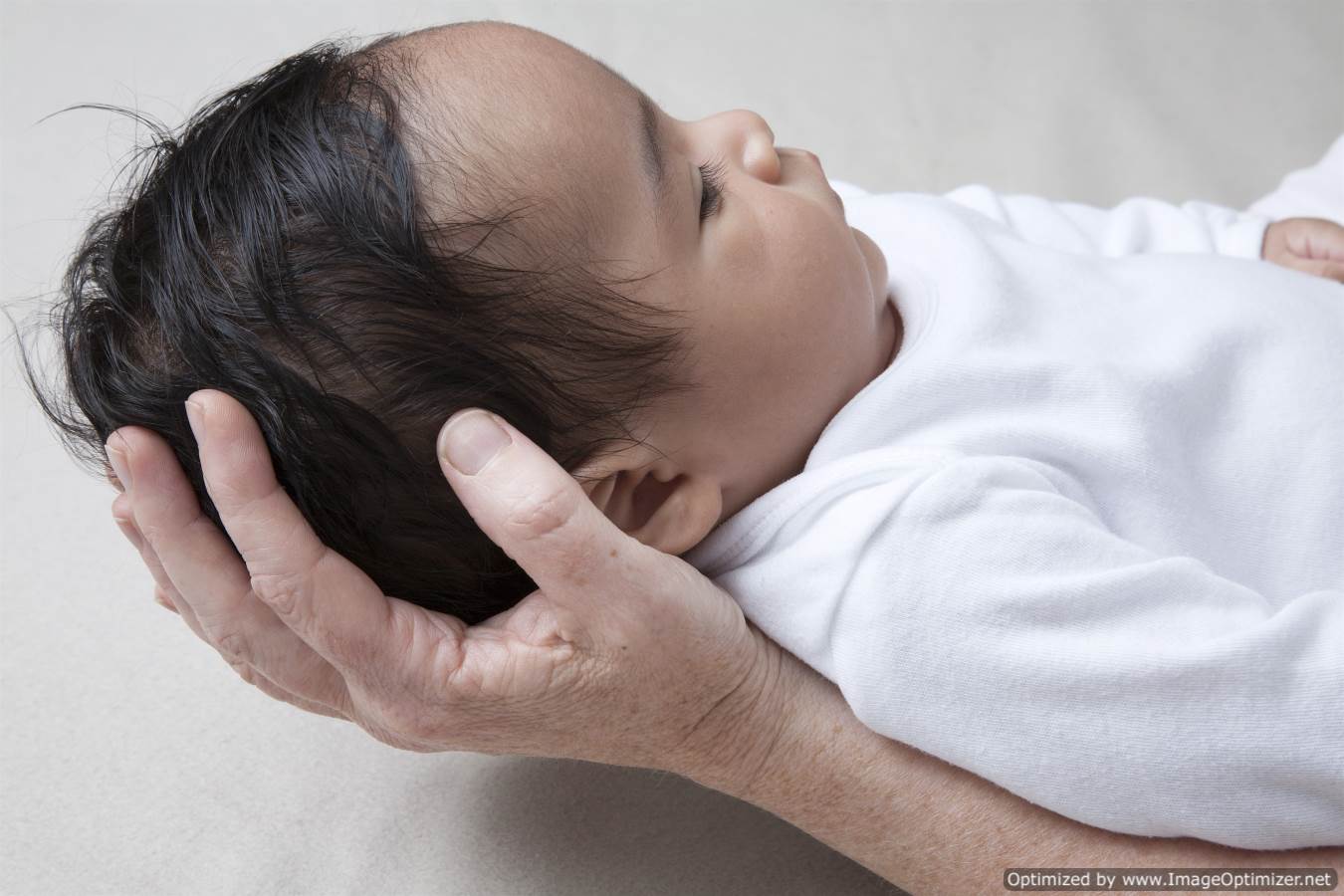
I offer a safe, confidential space for you to share your story. I combine CST & IBT and use palpation, gestures, mirroring, deep listening and gentle enquiry to see what the baby/child wants to tell us and to help parents understand where their child may have been overwhelmed in the past. Often a difficult birth can bring up memories of a parent’s difficult birth or a difficult relationship with their parents. We work with that too. All session work is permission based and we work at a comfortable pace for everyone in the room.
Is IBT suitable for my family?
I work with babies from about 3 weeks old, toddlers, school age children and teenagers and adults. IBT is non-invasive and permission based at all times.
What happens before and during a treatment?
I offer a 20 minute free telephone conversation so that you can work out whether IBT is for you and your family. You can talk about your main concerns & I will explain about the therapy, how I work and answer any questions you may have. At the initial consultation we will talk through the case history and there will be a short treatment. In subsequent treatments, we will check in and the treatment will last for the rest of the session. We tend to all sit on a futon so that we are on the level of the baby/child. Babies feel most at ease with their parents so they are normally treated on their laps. Toddlers and older children like to move around; I therefore offer therapeutic play on the floor as part of the session. How they use the space will start to show their underlying prenatal or birth story.
How should I take care of myself and my children after the treatment?
After an IBT session, babies/children may seem more present, engaged and happier, or they may feel tired and emotional. IBT can exacerbate symptoms in the short term. It is normal to have a period of adjustment as part of the healing process. Like the treatment itself, it varies from family to family. Everyone involved will carry on processing after the treatment has ended. If you can, plan your treatments so that you can all have a quiet day afterwards and an early night. Also, drink plenty of water for hydration.
Read more about Conception, Pregnancy & New Mums